
Whoa!
Okay, so check this out—I’ve been messing with browser extension wallets for years. My instinct said something felt off about keeping one wallet for everything, and that gut feeling pushed me to try a multi-chain approach. Initially I thought all extensions were basically the same, but then the small differences started to matter a lot. Over time those little frictions—network switching, approval sprawl, and clunky UX—added up into a real productivity and security headache.
Seriously?
I remember one afternoon in a café in the Bay Area where a swap failed because I was on the wrong chain. It was annoying, and it cost gas. On one hand I blamed myself, though actually it was the wallet’s flow that misled me. Initially I thought it was user error, but then I noticed the pattern repeating across multiple dApps. The clarity only came after I tested a different browser wallet that focused on multi-chain ergonomics.
Hmm…
Here’s what bugs me about the common model: many wallets treat chains like an afterthought, tacking on the ability to switch networks instead of designing the wallet around multi-chain use. That leads to accidental transactions on the wrong chain and a cluttered interface where approvals pile up. My instinct said there had to be a better way—fewer surprises, more deliberate actions—so I started evaluating wallets against that metric. I tried a few and then landed on Rabby, which felt like a proper rethink rather than just a feature add-on.
Whoa!
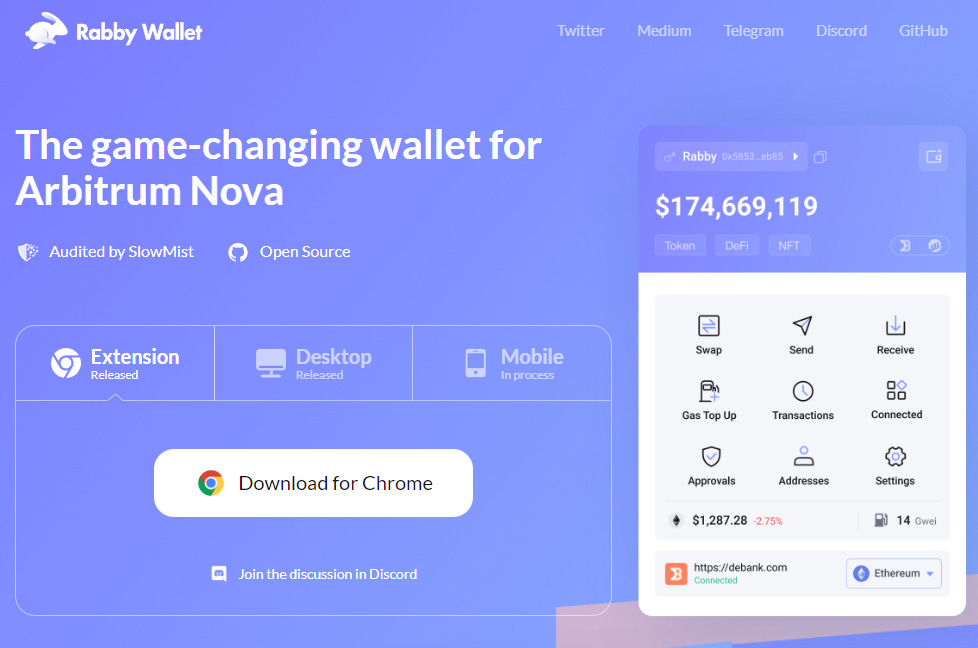
I’m biased, but Rabby nailed a few core things for me: clear chain context, approval management, and tooling that reduces accidental approvals. The UI gives you a sense of place—you’re not just “connected”, you’re on Polygon or Arbitrum or Mainnet and you can see that at a glance. On the analytical side, their permission management aggregates approvals in a way that makes it easier to revoke and audit them later. If you value safety and speed, this pattern matters more than you might think at first.
Seriously?
Let me walk through a concrete example. I was bridging assets last month and the wallet highlighted the required approvals and the exact accounts involved before I hit confirm. It showed token allowances and let me set precise limits instead of the usual “infinite approve” default. That reduced my cognitive load, because I didn’t have to reconstruct which dApp had what access later on. In the past I’d end up chasing tx history and browser windows—ugh, very very annoying.
Whoa!
On the technical side, Rabby supports multiple EVM-compatible chains and adds thoughtful features like gas estimation per chain and improved nonce handling. My initial impression was that those were nerdy conveniences, but when you run frequent trades and contract interactions they become time-savers and risk reducers. Actually, wait—let me rephrase that: those conveniences translate directly into fewer failed transactions and less accidental overspending on gas. For power users and builders, that matters; for casual users, it’s safer and less confusing.
Why multi-chain wallets matter now
Whoa!
The ecosystem is no longer a single-lane highway. There are many chains, sidechains, rollups, and layer-2s, each with vibrant apps, and users hop between them daily. On one hand that opens up great opportunities, though actually it introduces more places where things can go wrong. My thinking evolved here: I used to keep separate wallets per chain, but that split approach made identity and asset oversight harder. A well-designed multi-chain extension brings everything under a single mental model while keeping chain separation clear.
Seriously?
Practically speaking, fewer wallets means fewer seed phrases to manage, fewer backups, and a simpler recovery plan—yes, very important. But consolidation without clear boundaries is dangerous, so good UI and permission controls are non-negotiable. Rabby strikes that balance by letting you manage accounts and approvals per chain, and it surfaces risky approvals up front so you don’t accept something blindly. That pattern saved me from at least one phishing-style approval attempt (oh, and by the way—I’m not 100% sure that would’ve been caught anywhere else).
Hmm…
Security matters more than shiny features. I test wallets by simulating common mistakes—accidental chain switches, approving maximal allowances, and interacting with unfamiliar contracts. When a wallet makes those mistakes harder to make, I trust it more. My workflow now includes regular checks on approvals and a habit of setting explicit allowances, and the right wallet makes that easy rather than tedious. Somethin’ as small as a revoke button in one place changes behavior.
How Rabby changed my daily flow
Whoa!
Before Rabby I had multiple open tabs, a jumble of approvals, and an ongoing nagging worry about rogue allowances. After switching, the number of manual checks I do dropped because the wallet surfaces key data up front. For example, the wallet’s approval interface groups permissions by origin and token, which made it trivial to see if a new dApp attempt was reasonable. Initially I thought that would be clutter—turns out it reduces the cognitive hops I had to make across browser windows.
Seriously?
If you’re a frequent DeFi user, the time you save is real. Fewer failed transactions, quicker context switches, and less panic when something looks off. One thing that surprised me was how much better my mental model of “where funds live” became; it was like cleaning out a messy desk and finally being able to focus. I’m not saying Rabby is perfect, but it addressed the practical annoyances that had been bugging me for years.
Whoa!
If you want to try it, here’s a clean link to the installer where I grabbed my copy: rabby wallet download. Do your due diligence when installing any extension—check the publisher, verify the store page, and keep your seed phrase offline. I learned that lesson the hard way early on (lesson: never paste your phrase into a site), so I’m a little paranoid now—but for a good reason.
FAQ
Is a multi-chain wallet less secure than single-chain wallets?
Short answer: no. Longer answer: security depends on design and user behavior. A multi-chain wallet can be more secure if it surfaces chain context, provides granular permission controls, and makes revoking access easy. On the other hand, a poorly designed multi-chain wallet could confuse users and increase risk, so choose wisely.
Can I migrate my accounts to Rabby?
Yes, most extensions let you import via seed phrase or private key, though importing copies your keys into the extension environment so do it carefully and consider doing a fresh account for sensitive funds. I’m biased, but I like separating cold storage from day-to-day extension accounts.
What should I watch for when installing any wallet extension?
Look for the official publisher, check reviews (but be skeptical), validate the extension’s permissions before installing, and never input your seed phrase into websites. Also, test with small amounts first—it’s a simple habit but it saves headaches.
