
I remember the moment I first understood how fragile on‑chain wealth can be. Not glamorous. Just a tiny slip — a misplaced backup, a rushed setup — and poof: access gone. That feeling sat with me. It still does. So over the years I built routines that trade convenience for reliability, and they actually pay off when things get tense.
Short version: treat your private keys like the real keys to a safe deposit box. Don’t digitize them without thought. Don’t trumpet where you keep them. And don’t assume “one device” equals safety. The rest of this piece walks through practical, realistic steps for protecting private keys, leveraging multi‑currency hardware wallets, and using cold storage strategies that scale from a few coins to a portfolio you can’t afford to lose.
Why private keys are the single point of truth
Private keys are the root credential. If someone gets your key, they can move funds. Period. No password reset, no customer support, no “we can help.” That’s liberating and scary at the same time. So the goal is simple: minimize places where the key exists or can be recreated, and make recreation robust against physical loss or coercion.
Concretely, create keys on a hardware wallet or an air‑gapped machine, never on an internet‑connected device. Use a seed phrase backup (BIP39 or similar) printed or etched into something durable — paper tears, fire melts, and sadly wallets of paper are common failure points. For the long term, move to metal backups. They’re a bit tedious to make, but they survive floods, fires, and time.
Hardware wallets and multi‑currency realities
Hardware wallets give you offline key storage while allowing you to sign transactions when needed. They support many different chains, but support varies: some wallets natively handle dozens of coins, others rely on companion apps or third‑party integrations. Know what your device actually supports before you trust it with funds.
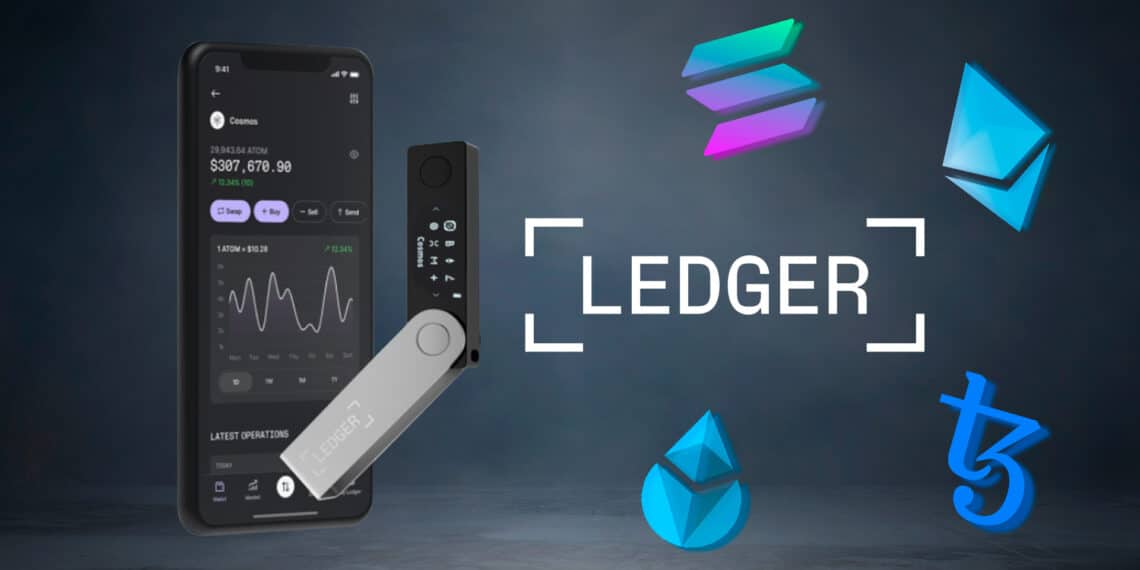
Ledger devices are a mainstream example; their companion app, ledger live, handles many assets directly, while other tokens may require third‑party interfaces. That’s not an endorsement so much as a reality check: one tool rarely covers everything, and mixing official apps with vetted third‑party tools is part of practical portfolio management.
Also: firmware matters. Update—but cautiously. Firmware updates close vulnerabilities, but a rushed or unmanaged update can interrupt a setup. Read release notes. If you manage critical funds, test updates with a small amount first, or wait for community confirmation that the update is stable.
Cold storage strategies that scale
There are degrees of “cold.” A fully air‑gapped signing machine with no wireless radios and a hardware wallet used only with QR or SD transport is very cold. A hardware wallet connected to a laptop that’s never used for email is colder than a browser extension. Choose your level based on value and usage patterns.
For small, spendable balances: a single reputable hardware wallet with a strong seed phrase, stored in two geographically separated backups, is often enough. For larger holdings: consider multi‑signature setups across devices or custodial diversification. Multi‑sig adds friction, but it protects against single‑device compromise — and it helps with inheritance planning and shared control.
Split backups are helpful. Shamir Backup (SLIP‑0039) or manual splitting of seed words into multiple parts stored in separate locations reduces the odds of a single theft wiping you out. But splitting introduces the risk of losing a piece; document recovery thresholds clearly and store recovery instructions securely (offline). For very large stores, combine metal backups, a trusted lawyer or custodian with clearly written escrow instructions, and multi‑sig.
Operational checklist: day‑to‑day actions that reduce risk
– Buy hardware wallets from brand or authorized resellers to avoid supply‑chain tampering.
– Initialize devices in a clean environment; never use pre‑configured seeds.
– Write seed phrases on metal. Check readability periodically.
– Use a passphrase (25th word) if you understand the implications — it increases security, but losing the passphrase means losing funds. Consider secure memorization or secret sharing with a trusted party.
– Practice recovery on a spare device. If you can’t recover, the backup is useless.
– Keep firmware and companion app versions documented. Record device model, firmware version, and setup date in a secure, offline note for heirs.
– Use multisig for high value, and diversify custodial exposure if you need liquidity without operational risk.
Threats people underestimate
Supply‑chain attacks, social engineering, and malware that manipulates addresses are common. People assume the worst happens to someone else. My instinct told me early on that the weakest link would be social, not technical — and that turned out to be right. Scammers will impersonate support, threaten you, or get you to install a malicious app that swaps addresses at checkout.
So double‑check addresses on the device screen, never copy/paste addresses from unknown sources, and be skeptical of “support” over unsolicited direct messages. Also, consider a watch‑only wallet on an air‑gapped device to monitor balances without exposing keys. It’s low friction and buys peace of mind.
Balancing convenience and fortress‑level security
Real life demands tradeoffs. If you trade daily, you won’t keep everything in multisig cold storage. If you buy NFTs or use DeFi, you need some connected signer. The trick is segmentation: heat small, cold large. Keep a predictable “hot” allocation for active use, and move the rest to structured cold storage. Automate where you can — scheduled transfers to cold vaults, automated alerts for balance changes — but keep manual checks in the loop.
Oh, and estate planning: crypto needs explicit instructions. Traditional wills often don’t cover private keys. Use legally recognized instructions and secure storage for seed backups. Don’t mail the seed phrase to your executor. Instead, store an encrypted copy with a legal professional or in a hardware safe with access rules defined.
FAQ
Q: What’s safer — one strong hardware wallet or multiple mid‑range devices?
A: Multiple devices generally beat a single point of failure. With moderately valued funds, a single reputable device is fine. For larger totals, multisig or redundant hardware across locations is better. The extra complexity is worth it for scale.
Q: Should I write my seed on paper?
A: Paper is better than a screenshot, but it’s fragile. Use metal backups for durability. If you must use paper, laminate it, store copies in different secure locations, and test recovery on another device.
Q: Is a passphrase necessary?
A: A passphrase adds a strong layer, but it becomes an additional single point of failure if forgotten. Use one only if you have a reliable way to remember it or a secure, trusted backup plan for it.
Q: How do I guard against scams when using companion apps?
A: Download only from official sources, verify URLs and app signatures where possible, and avoid third‑party integrations unless they’re well audited and widely trusted. Keep a small test amount to validate workflows before moving large funds.
